
Elk Island National Park in Winter: Ultimate Visitor Guide
Winter transforms Elk Island National Park into a peaceful landscape of snow-covered grasslands, frozen wetlands, quiet forest trails, and wildlife tracks. Located about 35 kilometres east of Edmonton, the park is one of Alberta’s most rewarding places for a winter day trip. It offers a chance to escape the city, enjoy outdoor activities, and see wildlife in a completely different setting.
Whether you want to go snowshoeing, try cross-country skiing, look for bison, or simply enjoy a quiet walk through the snow, there are plenty of ways to experience Elk Island National Park in winter. You do not need to be an experienced winter adventurer to enjoy the park, but you should arrive prepared for changing weather and trail conditions.
This guide covers the best things to do in Elk Island in winter, what to expect, how to prepare, and practical tips for planning your visit.

Why Visit Elk Island National Park in Winter?
Elk Island is known for its wildlife and natural scenery throughout the year, but winter brings a quieter atmosphere. Snow highlights the rolling Beaver Hills landscape, and fewer visitors can make the trails and viewpoints feel especially peaceful.
Winter is also a good time to look for signs of wildlife. Without thick summer vegetation, you may find it easier to notice animals moving through the park or tracks left behind in the snow. Bison are among the most memorable animals to see, although sightings are never guaranteed.
The park is also close enough to Edmonton for a manageable day trip. You can spend a few hours outdoors and return to the city the same day, or plan a longer visit if you want to explore several trails and activities.
Another reason to visit is the variety of experiences available. You can choose a gentle winter walk, bring snowshoes for deeper snow, try cross-country skiing, or spend time around Astotin Lake when conditions allow.
1. Go Snowshoeing Through the Winter Trails

Snowshoeing is one of the best ways to experience things to do in Elk Island in winter. It allows you to explore snowy trails at your own pace and reach areas that may be difficult to walk through in regular winter boots.
Parks Canada welcomes snowshoers on any trail in the park. You can choose a short outing or spend more time exploring the quiet landscape. Snow-covered grasslands, wooded areas, and open views make the experience enjoyable even when you are not following a challenging route.
If you are new to snowshoeing, start with a shorter route and give yourself time to get used to the equipment. Snowshoes help distribute your weight over a wider surface, making it easier to move across snow without sinking as deeply.
You can bring your own equipment or check whether rentals are available before traveling. Parks Canada has listed snowshoe rentals through the Wahkotowin Visitor Information Centre, but rental availability and operating hours can change. Confirm the current arrangements before your visit.
Wear insulated winter boots, warm socks, gloves, and layers that you can adjust as you become more active. A small backpack with water and snacks is also useful.
2. Try Cross-Country Skiing
Cross-country skiing is another enjoyable way to explore the park during winter. It offers a full-body workout while allowing you to move through the peaceful winter landscape.
Elk Island's trails are multi-use and can be explored by skiers, hikers, and snowshoers. However, visitors should know that the trails are not groomed or track-set for skiing. Snow conditions can vary, and you may encounter icy sections, deep snow, or fallen trees.
If you are a beginner, choose a route that matches your fitness and experience. Give other trail users space, watch for changes in terrain, and avoid skiing beyond your comfort level.
For visitors who specifically want groomed or track-set cross-country ski trails, it may be worth researching other nearby recreation areas before setting out. Elk Island is better suited to visitors who are comfortable with natural, shared winter trails.
3. Look for Bison and Other Wildlife

Wildlife viewing is one of the main reasons people visit Elk Island National Park. The park is especially well known for its free-roaming bison, which can sometimes be seen against the white winter landscape.
You may spot bison along park roads, in open fields, or near the Bison Loop Road. Dawn and dusk can be productive times for wildlife viewing, although animals may be active at other times as well. Drive slowly and keep an eye on the roadside because large animals can be difficult to see in low light or snowy conditions.
Elk Island is home to both plains bison and wood bison. The park's two populations occupy different areas, so the animals you see may depend on where you explore.
You may also notice elk, deer, birds, and smaller mammals. Even if you do not see an animal directly, tracks in the snow can reveal where wildlife has traveled.
Always give wildlife plenty of space. Bison are large, powerful animals and can move quickly. Never approach them for photographs, attempt to feed them, or block their path. Stay inside your vehicle when viewing animals near the road, and follow all posted instructions.
For more information about the park's bison populations and how to observe them responsibly, consult the Parks Canada bison frequently asked questions.
4. Visit Astotin Lake
Astotin Lake is one of the park's best-known areas and a popular place to enjoy winter scenery. In warmer months, visitors come here for picnicking, boating, and shoreline activities. In winter, the area offers a different atmosphere, with snow and ice changing the appearance of the lake and surrounding landscape.
When conditions are suitable, the Astotin Lake area may offer outdoor skating. This is a weather-dependent activity, so do not assume the ice is ready simply because the lake looks frozen. Check current conditions with Parks Canada before bringing skates or planning to go onto the ice.
If skating is unavailable, the area can still be a pleasant place to stop, take photographs, enjoy the scenery, and warm up with a hot drink.
Ice safety is especially important. Thin ice can occur anywhere on a lake or pond, even during extended cold weather. Never go onto ice unless you have assessed its safety, and never venture onto it alone. Keep children within arm's reach around frozen water.
5. Enjoy a Winter Walk and Look for Animal Tracks

Not every winter visit needs to involve specialized equipment. A simple walk along a suitable trail can be a rewarding way to enjoy the park.
Winter trails offer opportunities to observe the landscape at a slower pace. Look for tracks in the snow, changes in vegetation, and birds moving between trees. You may notice how the park feels different when the leaves are gone and the ground is covered in snow.
Trail conditions can change quickly. Some sections may be packed down by other visitors, while others may have deep snow or ice. Wear boots with good traction and consider bringing ice cleats and hiking poles.
Choose a route that fits your time, ability, and the day's weather. Short daylight hours mean it is important to leave enough time to return before dark.
6. Bring the Family for Simple Winter Fun
Elk Island can be a lovely destination for families who want to spend time outdoors. Children can enjoy looking for animal tracks, spotting bison from a safe distance, playing in the snow, and exploring suitable trails.
Parks Canada also highlights simple winter activities such as tobogganing and making snowballs. These activities depend on suitable snow and safe locations, so check local conditions and posted guidance.
Keep outings flexible, especially with younger children. A short walk followed by a warm drink may be more enjoyable than trying to complete a long trail in very cold weather.
Pack extra mittens, socks, snacks, water, and warm layers. Children can become cold quickly when they stop moving, even if they were comfortable while playing.
7. Enjoy the Quiet Winter Scenery and Photography

Winter photography is another reason to visit. Snow-covered fields, frosted trees, frozen wetlands, and wildlife can create beautiful compositions.
Early morning and late afternoon may offer softer light, but these periods also have lower visibility on the roads. Drive carefully and never stop in a way that blocks traffic or creates a hazard.
A camera with a zoom lens can help you photograph wildlife without approaching it. If you are using a phone, keep the battery warm because cold temperatures can reduce battery performance.
You do not need professional equipment to capture the park's winter atmosphere. Sometimes a simple photograph of footprints across fresh snow or a quiet trail is enough to remember the visit.
What to Know Before Visiting Elk Island in Winter
A little preparation can make your winter trip much more comfortable.
Check Weather and Road Conditions
Winter weather in Alberta can change quickly. Snowfall, blowing snow, icy roads, and low temperatures may affect your journey.
Before leaving Edmonton or another nearby community, check the forecast and current highway conditions. Parks Canada also advises visitors to prepare for winter driving and arrive with a full tank of fuel. There is no gas station inside the park.
Allow extra travel time and avoid rushing if conditions are poor.
Dress in Warm Layers
Wear clothing that can keep you warm while allowing you to move comfortably. A practical winter outfit may include:
Insulated winter boots with good traction
Thermal base layers
Warm trousers or snow pants
An insulated jacket
Hat and gloves
Scarf or neck warmer
Extra socks and mittens
If you plan to snowshoe or ski, bring clothing that can be adjusted as your body temperature changes.
Bring Water, Food, and Emergency Supplies

Even on a short visit, carry drinking water and snacks. Cold weather can make it easy to overlook hydration.
A small day bag should also include a charged phone, portable battery, headlamp, basic first-aid supplies, and any personal medication you may need. Let someone know your plans if you are heading out on a longer trail.
Parks Canada's winter safety guidance for Elk Island includes important advice about winter driving, trail conditions, short daylight hours, and ice safety.
Understand Ice Safety
Never assume a frozen lake is safe. Ice thickness can vary across the same body of water, and snow can hide weak areas.
AdventureSmart recommends at least 10 centimetres of clear, solid ice for walking and cross-country skiing, but this is not a guarantee of safety. Thicker ice is better, and conditions should be assessed carefully. Never go onto ice alone.
Follow Wildlife Safety Rules
Bison and other wild animals are not tame, even when they appear calm. Stay well back, never feed them, and do not attempt to approach them for a photograph.
If wildlife is near the road, remain in your vehicle when appropriate and avoid stopping in unsafe locations. Always follow park signs and staff instructions.
How Much Does It Cost to Visit Elk Island National Park?
Elk Island National Park charges admission, and additional fees may apply for camping, equipment rentals, or special programs.
Parks Canada's published fee schedule lists regular daily admission for adults, seniors, youth, and families or groups. Youth aged 17 and under receive free admission to Parks Canada places, although other services may still have a fee.
Because fees can change, check the official Elk Island National Park fees page before your trip. If you plan to rent snowshoes or stay overnight, confirm those costs separately.
When Is the Best Time to Visit Elk Island in Winter?
The best time depends on what you want to do.
December through February usually brings the classic Alberta winter experience, with snow-covered trails and cold temperatures. These months can be suitable for snowshoeing, skiing, wildlife viewing, and other snow activities when conditions allow.
March can offer longer daylight hours and changing temperatures, but snow and ice may still be present. Spring conditions can also make trails uneven or slippery.
For wildlife viewing, early morning and late afternoon may offer good opportunities, but remember that visibility is lower at these times. Plan your driving and outdoor activities accordingly.
Always check the forecast and park updates shortly before your visit rather than relying only on the calendar.
Is Elk Island National Park Worth Visiting in Winter?
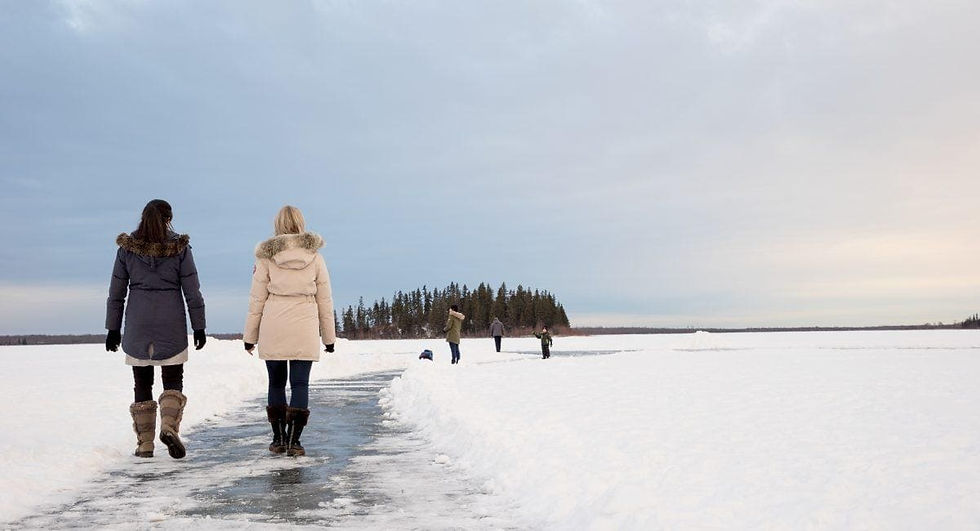
Yes. Elk Island is a rewarding winter destination for anyone who enjoys nature, wildlife, and outdoor activities. You can spend the day snowshoeing, skiing, walking, photographing the scenery, or looking for bison.
The park is also close enough to Edmonton to make a convenient day trip without requiring a full weekend away.
The key is to plan realistically. Winter conditions can be challenging, and not every activity will be available on every visit. Check road and trail conditions, dress appropriately, and leave enough daylight for your outing.
With a little preparation, Elk Island National Park in winter can offer a memorable Alberta experience, whether you are visiting for an active day outdoors or simply hoping to enjoy a quiet landscape covered in snow.


Comments