
Dinosaur Provincial Park: The Ultimate Visitor Guide
Alberta is famous for its Rocky Mountain scenery, but some of the province’s most fascinating landscapes are found far from the mountains. In southeastern Alberta, Dinosaur Provincial Park protects a remarkable stretch of badlands filled with layered rock formations, winding coulees, and some of the world’s most important dinosaur fossil discoveries.
Located near Brooks, the park is a UNESCO World Heritage Site and one of the most significant palaeontological locations on Earth. Its fossil beds preserve evidence of an ancient ecosystem that existed around 75 million years ago, when the region had a very different climate and landscape.

Today, visitors can explore designated walking trails, learn about prehistoric life at the visitor centre, join guided tours, photograph the badlands, and camp beneath Alberta’s wide-open sky.
Whether you are interested in dinosaurs, geology, hiking, or photography, this Dinosaur Provincial Park guide covers what to see, things to do, tours, camping, and practical tips for planning your visit.
Why Visit Dinosaur Provincial Park?

Dinosaur Provincial Park is much more than a destination with an impressive name. It is internationally recognized for the abundance and diversity of fossils found within its boundaries.
The park preserves fossil evidence from the Late Cretaceous Period, approximately 75 million years ago. During that time, the region was part of a low-lying coastal plain near a large inland sea. Its environment supported a variety of prehistoric animals, including dinosaurs, reptiles, amphibians, fish, and early birds.
Over time, layers of sediment buried the remains of these animals. Geological processes eventually helped preserve the bones and other evidence as fossils. Erosion later exposed some of these deposits, creating the badlands landscape visitors see today.
The park became a UNESCO World Heritage Site in 1979 because of its outstanding fossil record, geological features, and natural habitat. Alberta Parks notes that more than 500 different species of life have been recorded in the park, including 58 dinosaur species.
Its landscape is just as impressive as its scientific importance. The badlands feature eroded hills, gullies, ridges, and exposed layers of sedimentary rock. The colours and shapes change throughout the day as sunlight moves across the terrain.
1. Explore the Badlands on Foot
Walking through the badlands is one of the best ways to experience Dinosaur Provincial Park. The landscape is full of unusual shapes, exposed rock layers, and winding natural formations.
Designated trails allow visitors to explore parts of this environment while helping protect sensitive areas. Depending on the route, you may walk past eroded hills, open grassland, fossil displays, and viewpoints overlooking the surrounding landscape.
The park has a variety of walking options, including short interpretive routes and longer trails. Choose a route that matches your available time, fitness level, and the weather.
The badlands can be hot and exposed during summer, with limited shade along some trails. Bring plenty of water, wear suitable footwear, and protect yourself from the sun.
It is also important to remain on designated trails. The park contains sensitive fossil-bearing areas, and visitors should never climb unstable formations or enter restricted sections.
2. Drive or Walk the Public Scenic Loop Road
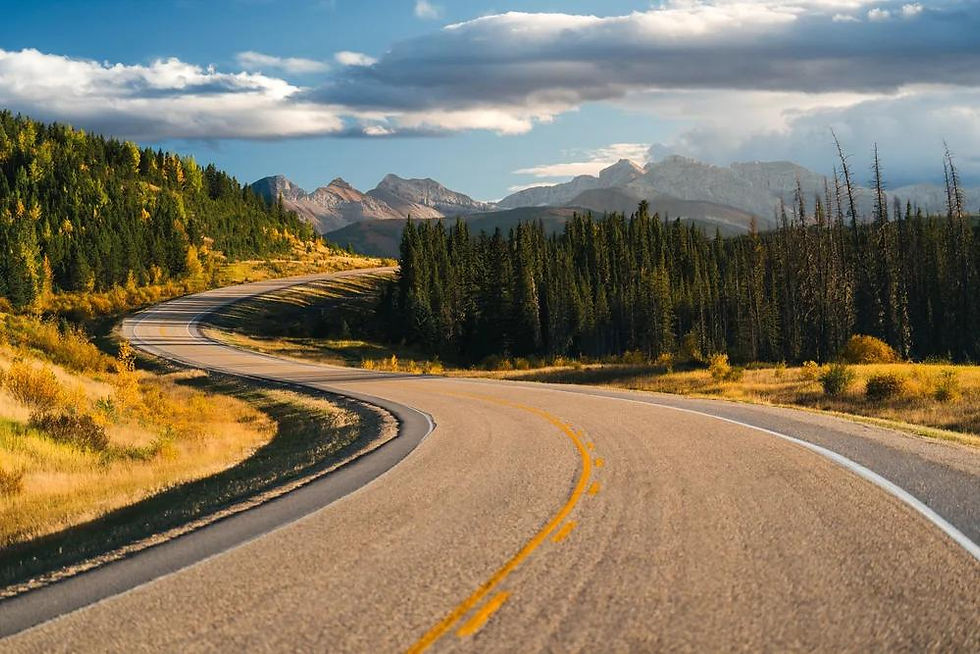
The Public Scenic Loop Road is one of the easiest ways to enjoy the badlands without committing to a longer hike.
The route is approximately 3.5 kilometres long and passes through the public badlands area. Visitors can drive, walk, or cycle along it, stopping at permitted viewpoints and interpretive displays.
It is a convenient option for families, photographers, and travelers with limited time. You can enjoy the landscape at your own pace and stop to examine the rock formations or take photographs.
The road also provides access to outdoor fossil displays, making it a useful way to combine scenery with a little palaeontology.
Road conditions and access arrangements can change. Check the Alberta Parks activities and events page before traveling.
3. Visit the Dinosaur Provincial Park Visitor Centre
The visitor centre is one of the most important stops during a visit. It provides an introduction to the park’s fossil discoveries, geology, and natural history.
Inside, visitors can explore interactive exhibits, learn about prehistoric animals, and see information about the region’s palaeontological importance. The building also includes an information desk, gift shop, washrooms, and registration facilities for interpretive tour programs.
The visitor centre is a good place to begin your visit because it helps explain what makes the surrounding landscape so special. After exploring the exhibits, you will have a better understanding of the fossils and geological formations you see outside.
There is a small admission fee for the interactive exhibit gallery. Other services and facilities may vary, so check the official visitor centre page before arriving.
4. Join a Guided Dinosaur Tour

A guided tour is one of the best ways to learn about Dinosaur Provincial Park. The park's interpretive programs help visitors understand the fossil discoveries, geology, and ancient environment.
Depending on the season and schedule, visitors may be able to choose from guided hikes, bus tours, family programs, and specialized fossil experiences.
Some tours enter areas of the natural preserve that are not open to independent visitors. These protected areas contain sensitive landscapes and fossil resources, so access is controlled to protect both visitors and the site.
Guides can explain how palaeontologists identify fossils, what the discoveries reveal about ancient ecosystems, and why the park is so important to scientific research.
Tour spaces may be limited, especially during the busiest summer months. Booking ahead is recommended. Some programs may have age restrictions or specific equipment requirements, so read the descriptions carefully before reserving.
5. See the Outdoor Fossil Display Houses
The outdoor fossil displays along the Public Scenic Loop Road are another highlight for visitors.
These displays allow you to learn about fossil discoveries while exploring the badlands. They provide context for the ancient animals that once lived in the region and help explain how fossil evidence is preserved in the landscape.
They are particularly useful for visitors who are not joining a guided tour but still want to learn more about the park's palaeontological significance.
Take time to read the interpretive information rather than treating the displays as quick photo stops. Understanding the fossils makes the surrounding landscape more interesting.
Remember that fossils and other natural materials must remain in the park. Removing them is prohibited.
6. Hike the Designated Trails

Dinosaur Provincial Park has a network of designated trails that offer different ways to explore the badlands and river environment.
Some routes are short enough for a relaxed walk, while others provide longer opportunities to explore the public area.
Trail options shown in the park's visitor materials include:
Badlands Trail Loop: A route through the park's distinctive badlands landscape.
UNESCO Path: An interpretive trail that introduces visitors to the area's World Heritage significance.
Fossil Display Loop: A short route connecting the outdoor fossil displays.
Trail of the Fossil Hunters: A route linked to the park's palaeontological history.
Hadrosaur Hop: A short interpretive trail.
Upper Cretaceous Trail: A route that explores the park's ancient geological story.
Extinction Expedition: A short trail with interpretive information.
Gorgosaurus Gully: A route through the badlands environment.
Cottonwood Flats: A trail that offers a different perspective on the park's river habitat.
Trail names, lengths, and access can be affected by updates to park maps and seasonal conditions. Always use the latest official map rather than relying on an old printed description.
Download the park's official maps and visitor guide before your visit.
7. Take Landscape Photographs
The badlands are one of Alberta's most distinctive photography locations. Their unusual shapes, layered colours, and open views provide plenty of opportunities to capture the landscape.
Early morning and late afternoon can be particularly attractive times for photography. Softer light creates shadows across the hills and brings out the textures of the exposed rock.
A wide-angle view can capture the scale of the badlands, while closer photographs can highlight the patterns and colours of individual formations.
You do not need professional camera equipment to enjoy photographing the park. A phone camera can capture beautiful images, especially when you take time to find interesting angles and natural foreground details.
Be careful when choosing a place to take photographs. Do not climb unstable formations or enter restricted areas for a better view. Use designated viewpoints and trails.
8. Enjoy Birdwatching and Wildlife Viewing

Dinosaur Provincial Park is not only important for its fossil record. It also protects a living natural environment along the Red Deer River.
The combination of badlands, grasslands, and riverside habitat supports a variety of birds and wildlife. Visitors may spot birds of prey, songbirds, and other species while walking along designated trails.
Bring binoculars if birdwatching is one of your interests. Moving slowly and keeping noise to a minimum can make it easier to observe wildlife without disturbing it.
Remember that wildlife sightings are never guaranteed. Keep a respectful distance from animals, do not feed them, and avoid approaching nests or dens.
The river corridor and surrounding vegetation provide a different experience from the open badlands, so consider including a riverside walk in your itinerary.
9. Enjoy a Picnic in the Park
A picnic is an easy way to make your visit more relaxed. Dinosaur Provincial Park has designated picnic areas where visitors can take a break between walks and activities.
The day-use area near the river includes picnic tables and space to enjoy the surroundings. Additional picnic tables are located near the concession building and visitor facilities.
Bring your own food and drinking water, particularly if you plan to spend several hours exploring. Alberta Parks advises visitors to bring their own water, so do not assume that drinking water will be available wherever you stop.
Keep food secure, dispose of rubbish properly, and leave picnic areas clean for other visitors.
10. Stay Overnight at the Campground
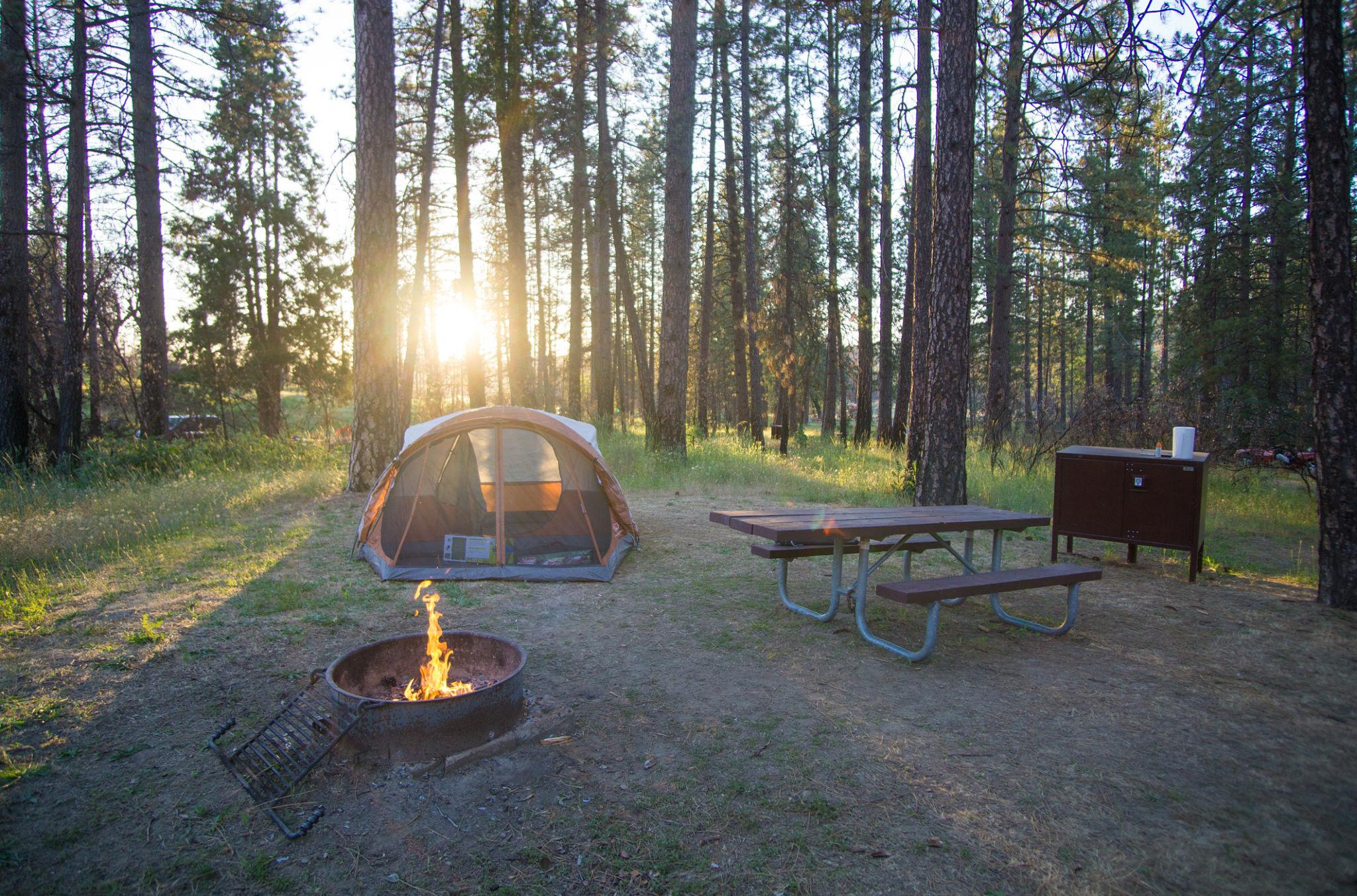
Camping is an excellent way to spend more time exploring Dinosaur Provincial Park. Rather than rushing through the trails and visitor centre in one day, you can stay overnight and enjoy a more relaxed schedule.
The park offers a campground with different site options, as well as comfort camping. Facilities, services, and availability depend on the season.
Staying at the campground gives you convenient access to the public areas and allows more flexibility for guided programs and walks.
Reserve ahead if you plan to visit during a busy period. Check the official Alberta Parks Dinosaur Provincial Park page for campground information, booking details, and seasonal notices.
11. Learn About the Ancient Ecosystem
The park's fossil discoveries reveal more than the kinds of dinosaurs that lived in the region. They also provide evidence of the wider ecosystem that existed during the Late Cretaceous Period.
Around 75 million years ago, the landscape was part of a coastal plain near a large inland sea. The environment supported a variety of plants and animals, including fish, amphibians, reptiles, birds, and mammals.
Fossils help researchers understand how these organisms lived and how the environment changed over time. Different types of fossil evidence can reveal information about ancient habitats, food sources, and the relationships between species.
The visitor centre and guided programs are excellent ways to learn about this prehistoric environment. They can help turn a walk through the badlands into a more meaningful experience.
What Makes Dinosaur Provincial Park a UNESCO World Heritage Site?
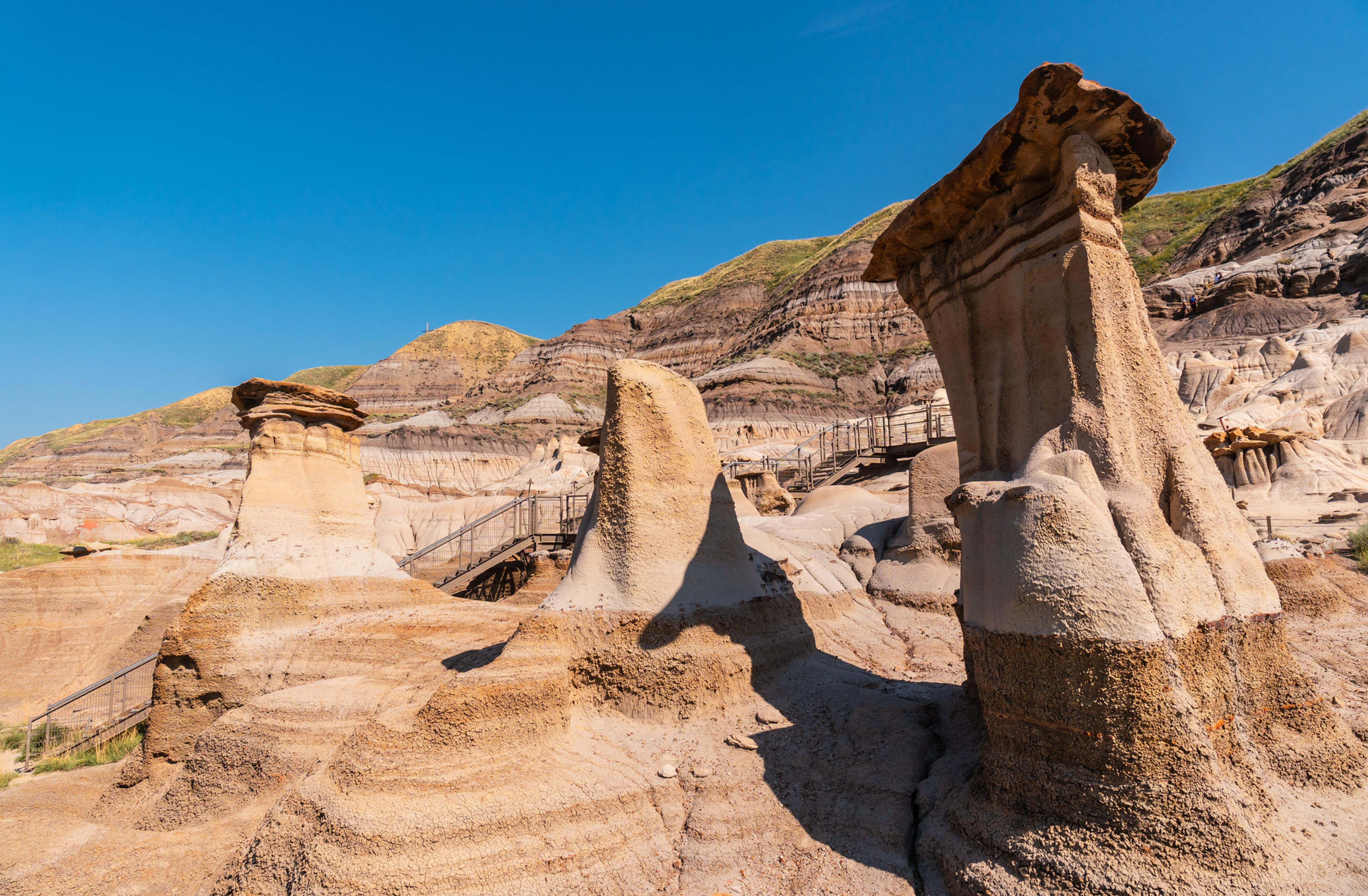
Dinosaur Provincial Park was added to the UNESCO World Heritage List in 1979 because of its exceptional fossil discoveries and natural landscape.
The park contains one of the richest dinosaur fossil sites in the world. UNESCO highlights the number, variety, and quality of specimens discovered in the area, many dating back approximately 75 to 77 million years.
The site's importance is not limited to dinosaur bones. Fossils from other animals and evidence of ancient environments provide a broader picture of life during the Late Cretaceous Period.
The badlands themselves also contribute to the site's international significance. Erosion has exposed layers of sedimentary rock and created striking landforms that help researchers study geological processes.
World Heritage status recognizes the park's importance to people around the world. It also reinforces the need to protect its fossil resources and natural environment.
Visitors can help preserve the site by staying on designated trails, respecting restricted areas, and never removing fossils, rocks, or plants.
How to Get to Dinosaur Provincial Park
Dinosaur Provincial Park is located in southeastern Alberta, near the city of Brooks. Driving is the most practical way to reach the park, as public transportation options to the site are limited.
Many visitors include the park as part of a road trip through the Canadian Badlands. If you are traveling from Calgary or another major Alberta destination, allow enough time for the drive and for exploring once you arrive.
Brooks is a useful nearby community for visitors who want access to accommodation, restaurants, and other services. The park itself is more remote, so it is sensible to plan your supplies before arriving.
Use the official Alberta Parks directions and visitor information to confirm the route and current visitor arrangements.
Best Time to Visit Dinosaur Provincial Park

The best time to visit depends on your preferred activities, weather conditions, and the services you want to use.
Summer
Summer is a popular season for exploring Dinosaur Provincial Park. Longer daylight hours make it easier to enjoy the walking trails, scenic road, visitor centre, and guided programs.
It is also when visitors have the greatest choice of scheduled interpretive experiences. However, summer temperatures in the badlands can become very hot, and some trails offer little shade.
Bring plenty of water, wear sun protection, and consider walking earlier in the day when temperatures are more comfortable.
Spring
Spring can be a pleasant time to visit because temperatures are often cooler than in midsummer. The landscape may look different as vegetation develops and seasonal conditions change.
However, weather can be unpredictable. Rain may affect trail conditions, and some visitor services may not yet be operating on a full schedule.
Check the park's current notices before making plans.
Autumn
Autumn is a good choice for visitors who prefer cooler temperatures and potentially quieter trails. The changing light can also make the badlands especially attractive for photography.
Daylight hours are shorter, so plan your walks and tours carefully. Confirm the operating schedule for visitor services and guided programs before traveling.
Winter
Winter offers a different view of the badlands, with snow sometimes highlighting the shapes and ridges of the landscape.
However, colder weather and icy surfaces can make walking more challenging. Some facilities and services may be closed or operating on reduced schedules.
Check current access information and prepare for winter driving conditions if visiting during this season.
Where to Stay Near Dinosaur Provincial Park

Visitors can choose between staying inside the park or using nearby communities as a base.
Camp at Dinosaur Provincial Park
The park campground is a convenient option for visitors who want to stay close to the main visitor area and trails.
It allows you to enjoy a slower itinerary, with more time for walking, photography, and interpretive activities. Check the current campsite types, facilities, reservation requirements, and operating dates before booking.
Try Comfort Camping
Comfort camping offers an alternative for visitors who want an overnight experience without bringing all their own camping equipment.
Availability and amenities depend on the accommodation type. Read the booking information carefully so you know what is included and what you need to bring.
Stay in Brooks
Brooks is a practical option for visitors who prefer hotel accommodation and access to restaurants and other services.
Staying in town can also work well if you are combining Dinosaur Provincial Park with other destinations in southeastern Alberta. Consider the driving time and how early you want to arrive at the park when choosing accommodation.
What to Pack for Your Visit

The badlands environment requires more preparation than a casual walk through a town park. Much of the landscape is exposed, and summer temperatures can become uncomfortable without proper sun protection.
Consider packing:
Plenty of drinking water
Comfortable walking shoes with good grip
A hat and sunglasses
Sunscreen
Light clothing and weather protection
Snacks or a packed lunch
A fully charged phone and camera
Binoculars for birdwatching
A downloaded park map
A small first-aid kit
If you are joining a guided tour, read the program description for additional clothing or equipment recommendations. Some experiences may involve longer walks or uneven terrain.
Important Visitor Rules and Safety Tips
Dinosaur Provincial Park is a protected area with sensitive fossil resources and natural habitats. Following park rules helps preserve the landscape for future visitors and researchers.
Keep these points in mind:
Do not collect or remove fossils, rocks, plants, or other natural materials.
Stay on designated trails and public access routes.
Do not enter restricted areas without an authorized guide.
Keep a safe distance from wildlife.
Carry enough drinking water.
Protect yourself from the sun and heat.
Watch for loose, uneven, or unstable ground.
Check weather conditions before hiking.
Follow posted signs and instructions from park staff.
Removing fossils or other natural materials is prohibited. Even a small object can have scientific value because its location and surrounding geological context help researchers understand the ancient environment.
Frequently Asked Questions About Dinosaur Provincial Park
Is Dinosaur Provincial Park worth visiting?
Yes. The park offers a combination of internationally important fossil discoveries, unusual badlands scenery, walking trails, interpretive displays, and guided experiences. It is an excellent destination for families, outdoor enthusiasts, photographers, and anyone interested in natural history.
How much time should you spend at Dinosaur Provincial Park?
A few hours may be enough to visit the visitor centre, explore the scenic loop, and complete a short walk. If you want to join a guided tour, hike several trails, or camp overnight, consider setting aside a full day or longer.
Alberta Parks recommends allowing at least two full days for an in-depth experience, especially if you want to explore the guided programs and natural preserve.
Can you see dinosaur fossils at the park?
Visitors can learn about fossils through the visitor centre, outdoor displays, and guided programs. What you can see depends on the exhibits and activities available during your visit.
Fossils must remain in the park. Do not collect or remove any specimens.
Can you explore Dinosaur Provincial Park without a guide?
Yes. Visitors can independently explore designated public areas, the Public Scenic Loop Road, walking trails, and outdoor interpretive displays.
However, much of the natural preserve is restricted to protect sensitive landscapes and for public safety. Access to these areas is available only through authorized guided programs.
Should you book Dinosaur Provincial Park tours in advance?
Booking ahead is recommended, especially during July and August when demand can be high. Some programs have limited spaces and age restrictions.
Check the official tours and events page for current schedules and reservation instructions.
Is there camping at Dinosaur Provincial Park?
Yes. The park offers a campground and comfort camping options. Facilities and availability vary by season, so check the official park website before booking.
Are there hiking trails at Dinosaur Provincial Park?
Yes. The park has several designated routes, including the Badlands Trail Loop, UNESCO Path, Fossil Display Loop, Trail of the Fossil Hunters, and Cottonwood Flats.
Check the latest official map for trail lengths, access, and conditions.
Can you take fossils home from Dinosaur Provincial Park?
No. Removing fossils, rocks, plants, or other natural materials from the park is prohibited. Leave discoveries where they are and report significant finds to park staff.
Final Thoughts: Is Dinosaur Provincial Park Worth Adding to Your Alberta Itinerary?
Dinosaur Provincial Park is one of Alberta's most distinctive destinations. Its dramatic badlands, internationally important fossil discoveries, and accessible visitor experiences make it an excellent addition to a Canadian Badlands road trip.
You can spend a few hours walking the trails and viewing the scenery, or stay longer to join guided programs and camp beneath the open Alberta sky. Whatever you choose, take time to appreciate both the landscape and the prehistoric story preserved beneath your feet.
With a little preparation and respect for the park's protected environment, a visit to Dinosaur Provincial Park can become one of the most memorable parts of your Alberta itinerary.


Comments